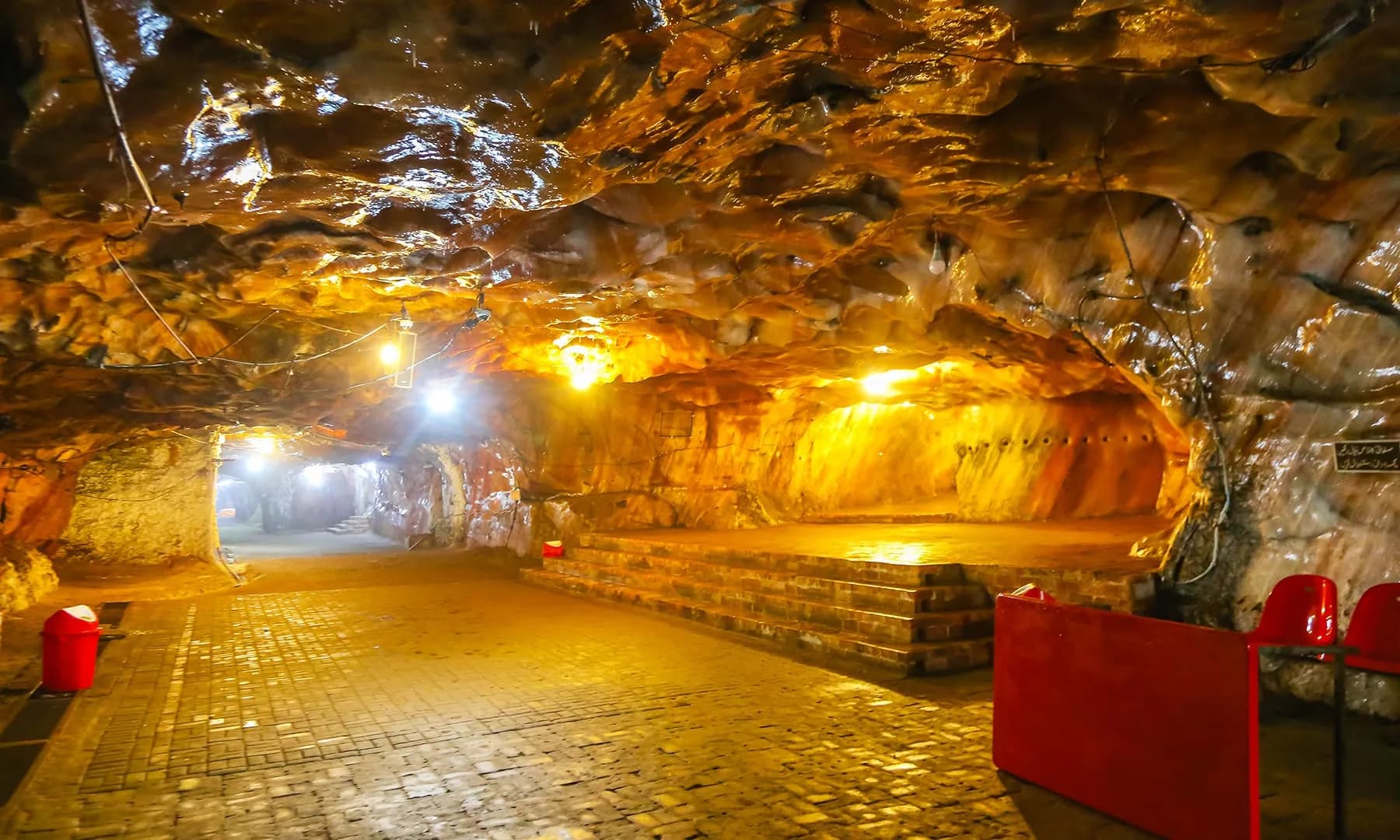
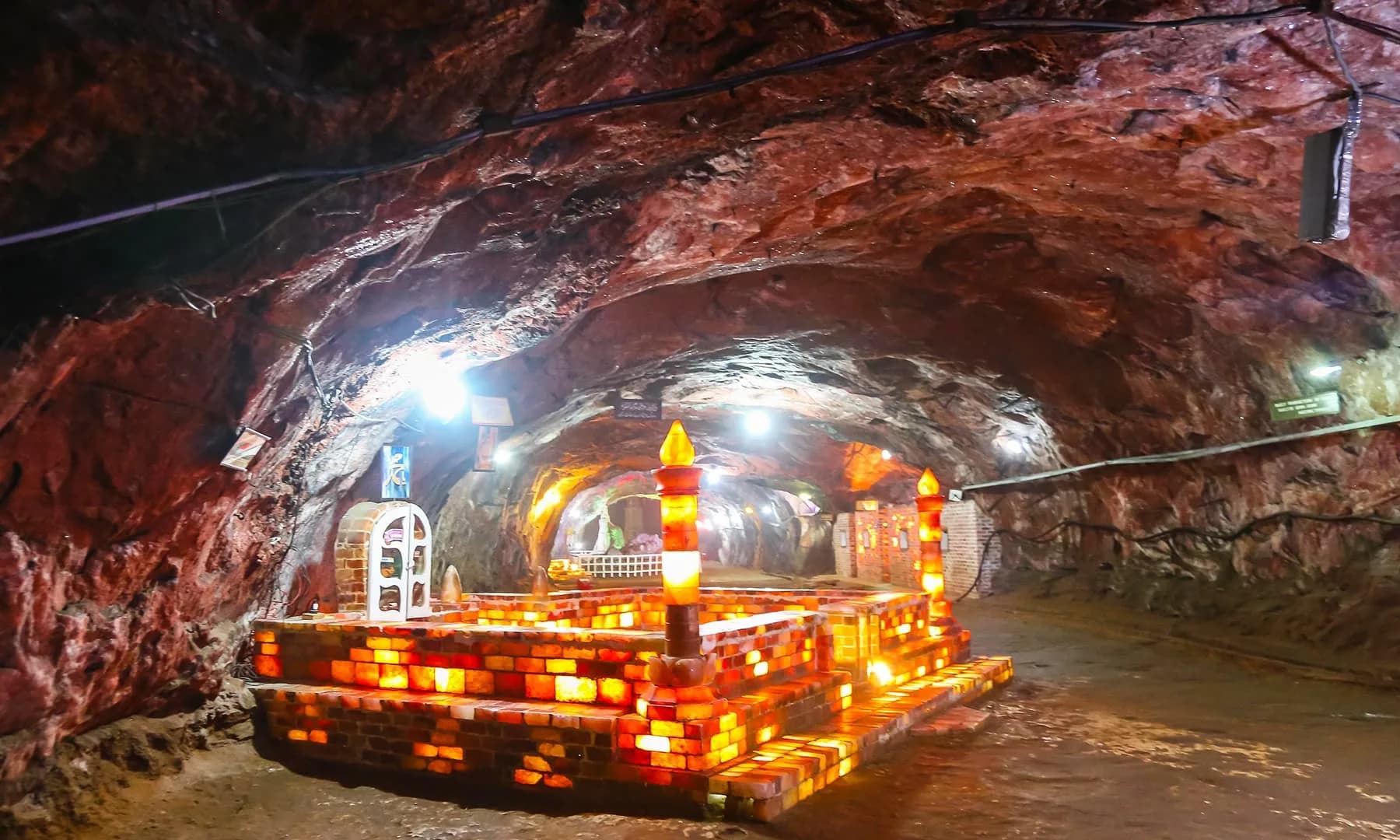
Khewra Salt Mine visitor entrance, Khewra, Jhelum District, Punjab
GPS: 32.6479389° N, 73.0083944° E. Open in Google Maps
Alexander the Great legend
Alexander's cavalry stopped in the Salt Range during his eastward campaign toward the Indus. According to local tradition, horses licked exposed salt on rock outcrops. Soldiers dug beneath the surface and found thick salt deposits.
PMDC retells this story on plaques and in guide briefings. No contemporary Greek or Indian text confirms the event. Archaeologists treat it as folklore tied to the region's ancient salt trade.
The 320 BC date fits Alexander's timeline through Punjab, but proof is thin. For geology and production stats after discovery, see our facts and history guide.
Medieval and pre-colonial mining
Written records show organised salt extraction under regional rulers from the 13th century onward. Local communities traded rock salt across Punjab and into Kashmir before British engineers arrived.
Salt was currency in some mountain passes. The Salt Range name itself reflects centuries of extraction across multiple hills, not only Khewra.
Pre-colonial methods used hand tools and shallow shafts. Output was small compared to the tunnel networks Dr Warth later mapped.
Salt from the range supplied Punjab kitchens and preserved food long before British engineers arrived. Trade routes crossed these hills for centuries.
Dr Warth and British mining
In 1872, British mining engineer Dr H. Warth surveyed the Khewra deposit and introduced room-and-pillar tunnel mining. His geological maps identified the salt dome structure and set extraction levels still referenced today.
Warth's methods increased output sharply. The British renamed the site the Mayo Salt Mine and built rail links to move salt to Punjab markets.
Colonial labour conditions were harsh. A major strike in 1876 protested forced work and low wages. Modern PMDC operations inherited the tunnel layout Warth designed. Read more about current mining in our ecosystem and mining guide.
From independence to tourism
Pakistan Mineral Development Corporation took control after 1947. PMDC expanded industrial output and opened the tourist section in the 1980s.
Today the discovery legend and Warth's engineering story share space in mine displays. Visitors hear both accounts on guided walks.
Neither story alone explains the full timeline. Tradition covers ancient awareness. British records cover modern extraction. PMDC bridges both for public education.
School groups often hear both the Alexander legend and the Warth story on guided walks. Ask your guide which sources PMDC cites for each account.
The discovery question has no single answer accepted by all historians. Ancient awareness, medieval extraction, and British engineering each mark a different chapter in the same salt dome.
PMDC visitor displays present both stories side by side without claiming archaeological proof for the Alexander account.
Sources
- PMDC historical bulletin
- Salt Range archaeological surveys
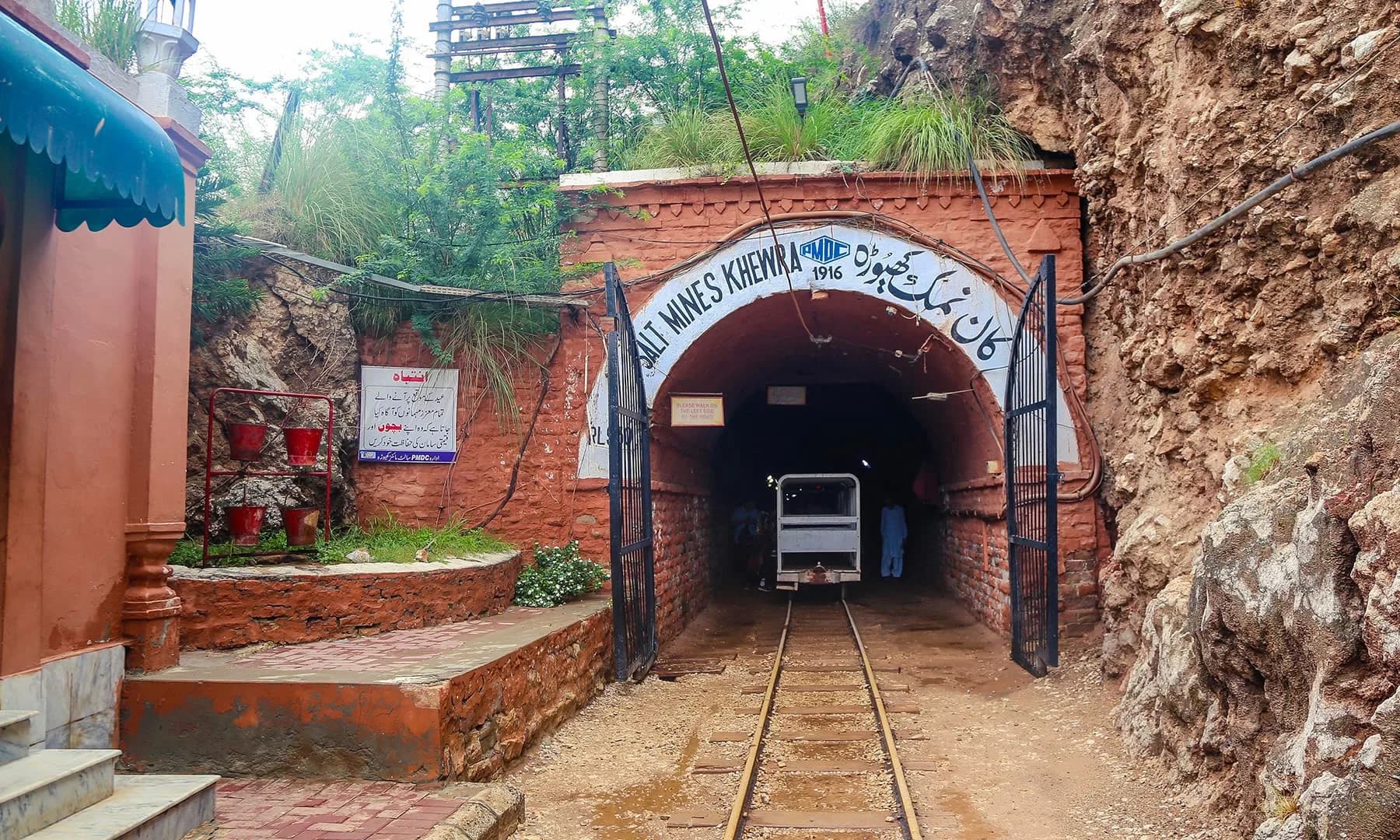
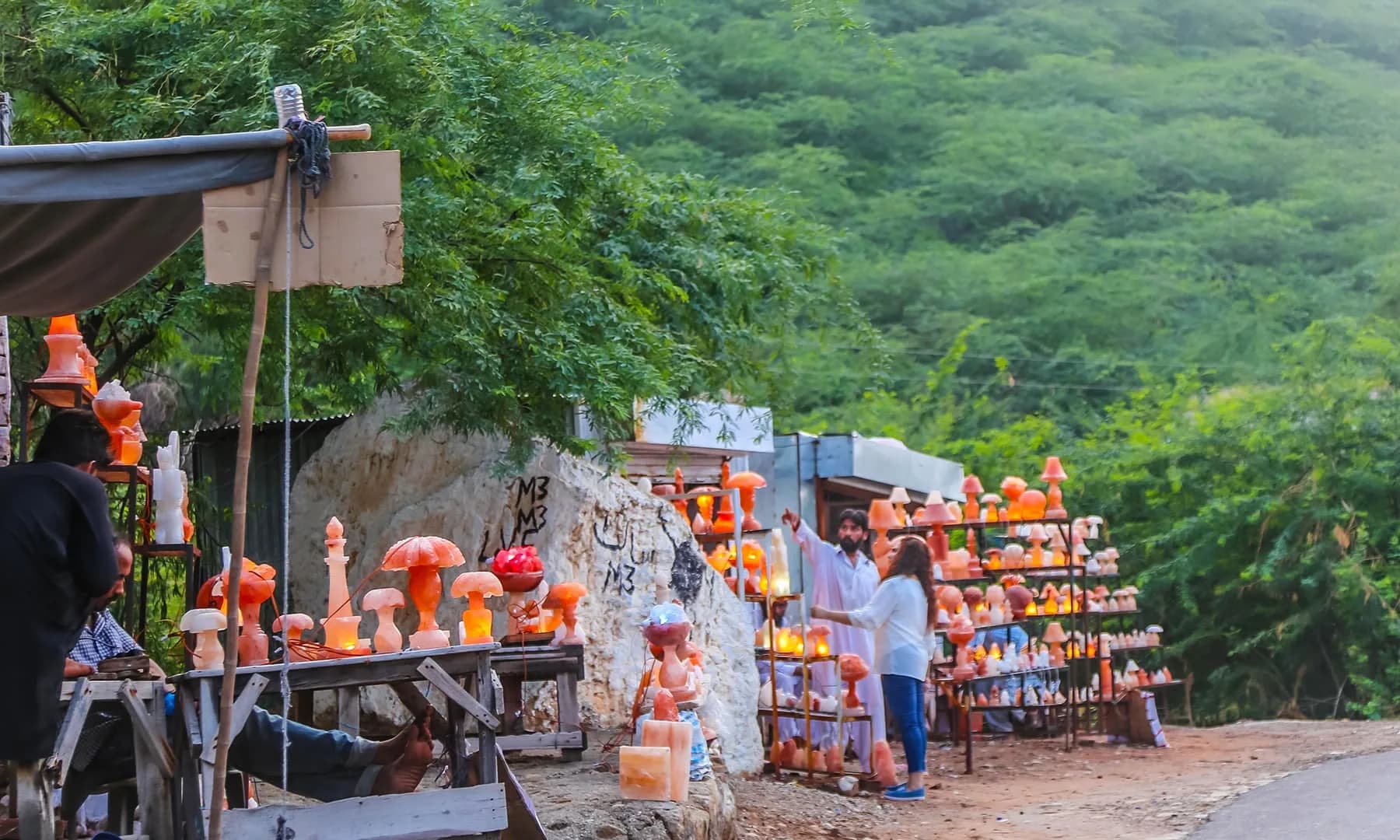
More in History
Frequently asked questions
Did Alexander the Great discover Khewra?
When did modern mining start?
Who was Dr H. Warth?
Was salt mined before the British arrived?
What was the mine called under British rule?
When did PMDC take over?
Planning a visit?
Practical visitor information for Khewra Salt Mine in Punjab, Pakistan.
Plan your visit