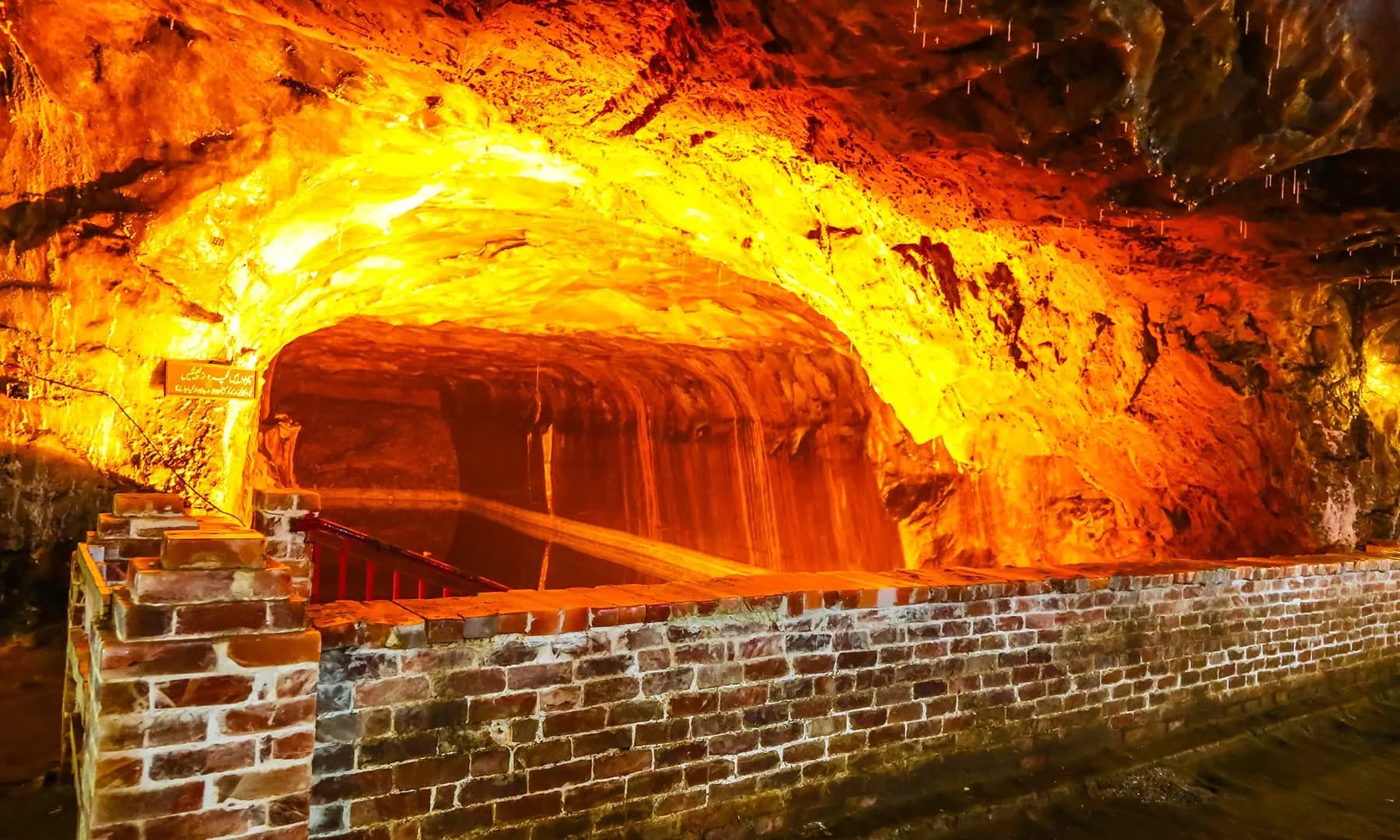
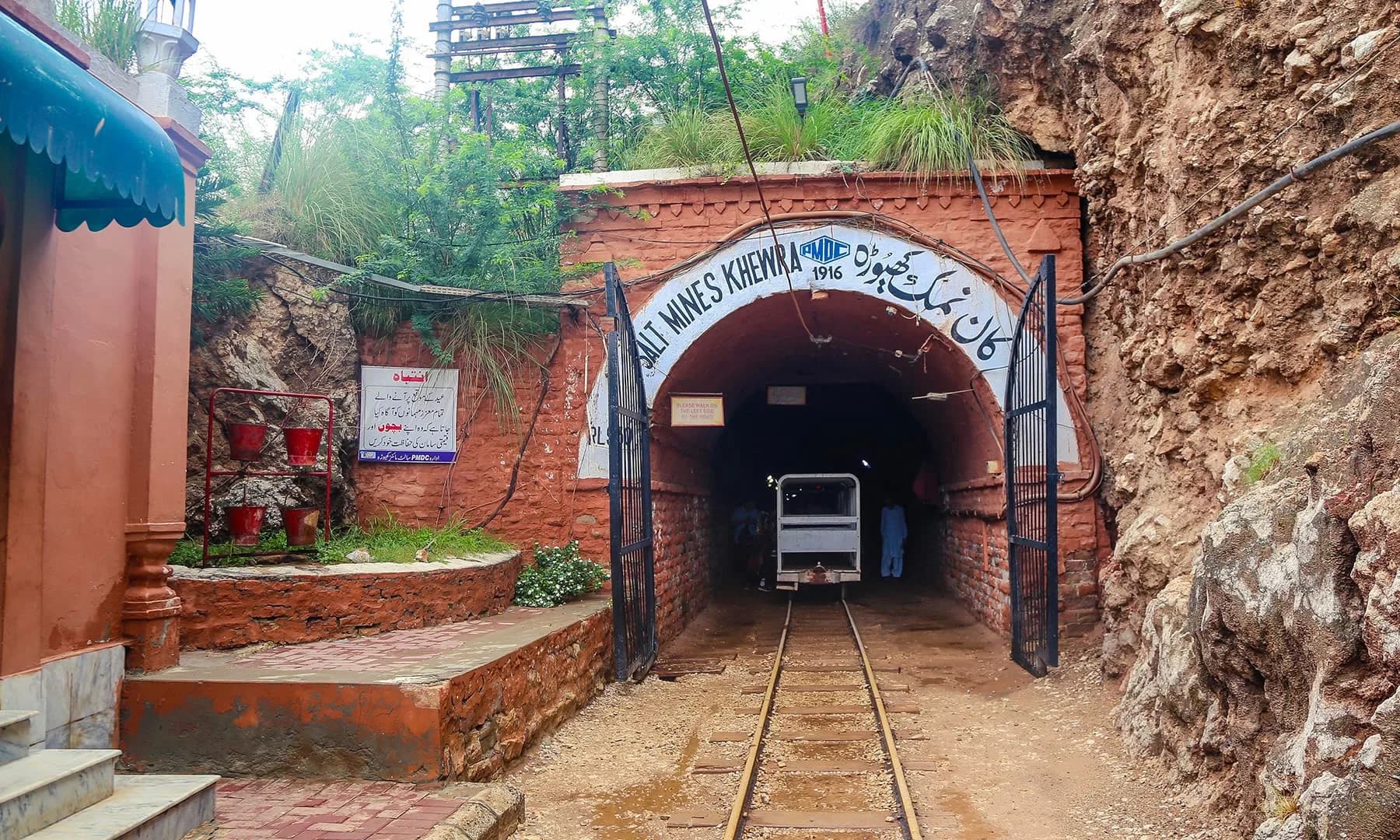
Khewra Salt Mine visitor entrance, Khewra, Jhelum District, Punjab
GPS: 32.6479389° N, 73.0083944° E. Open in Google Maps
Mining methods
PMDC uses room-and-pillar mining. Salt columns support the ceiling while chambers are extracted around them. This method has been standard since Dr Warth mapped the deposit in 1872.
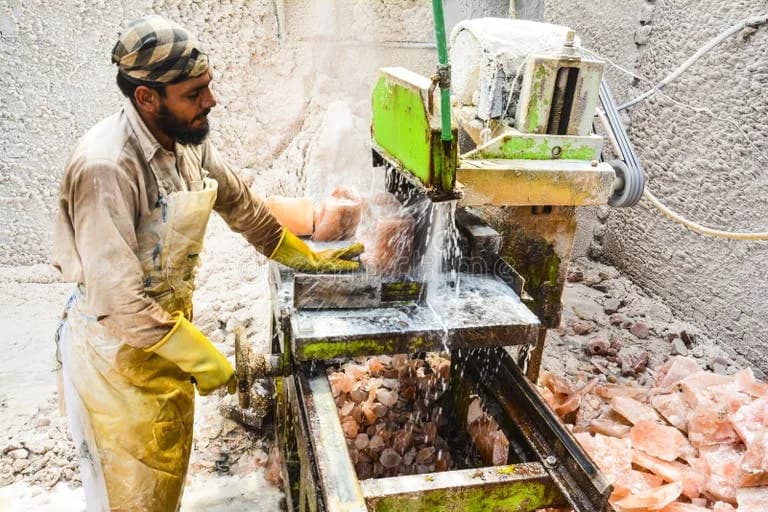
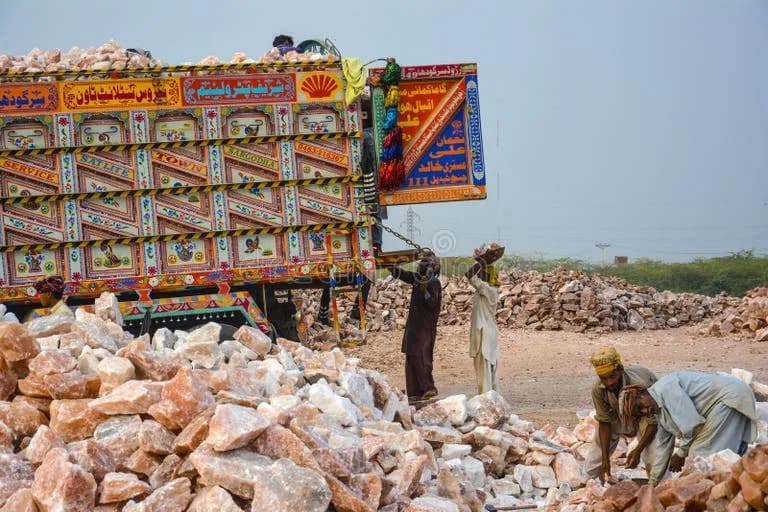
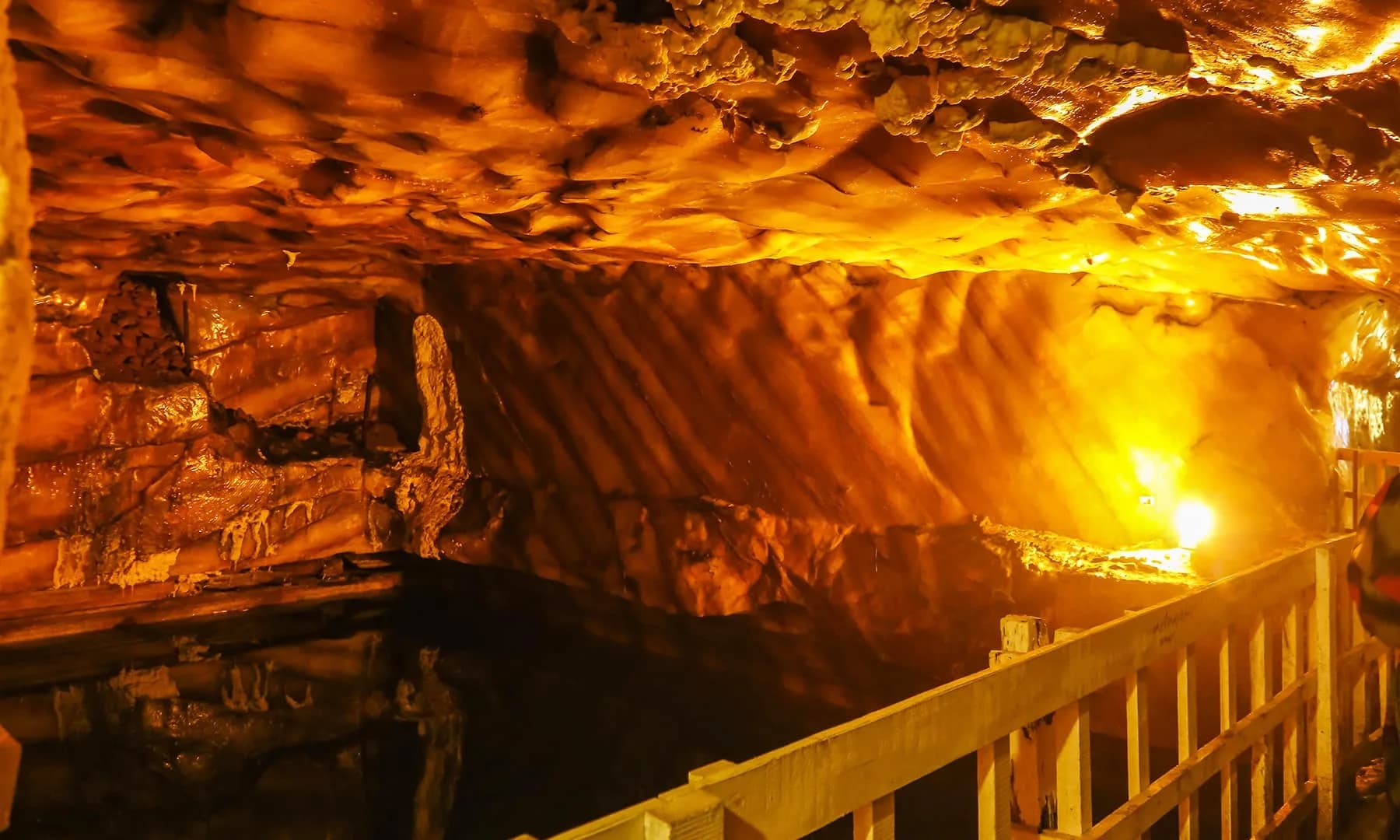
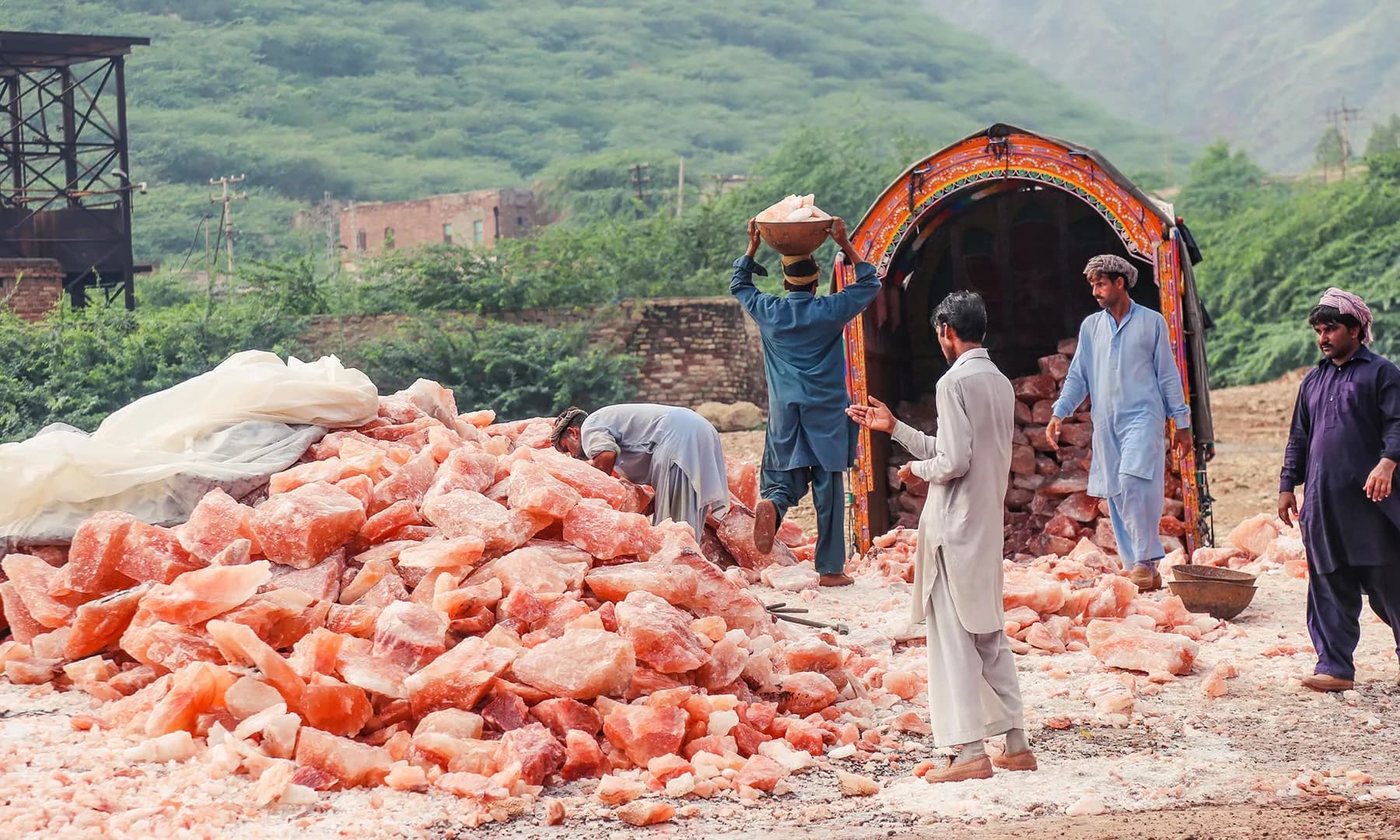
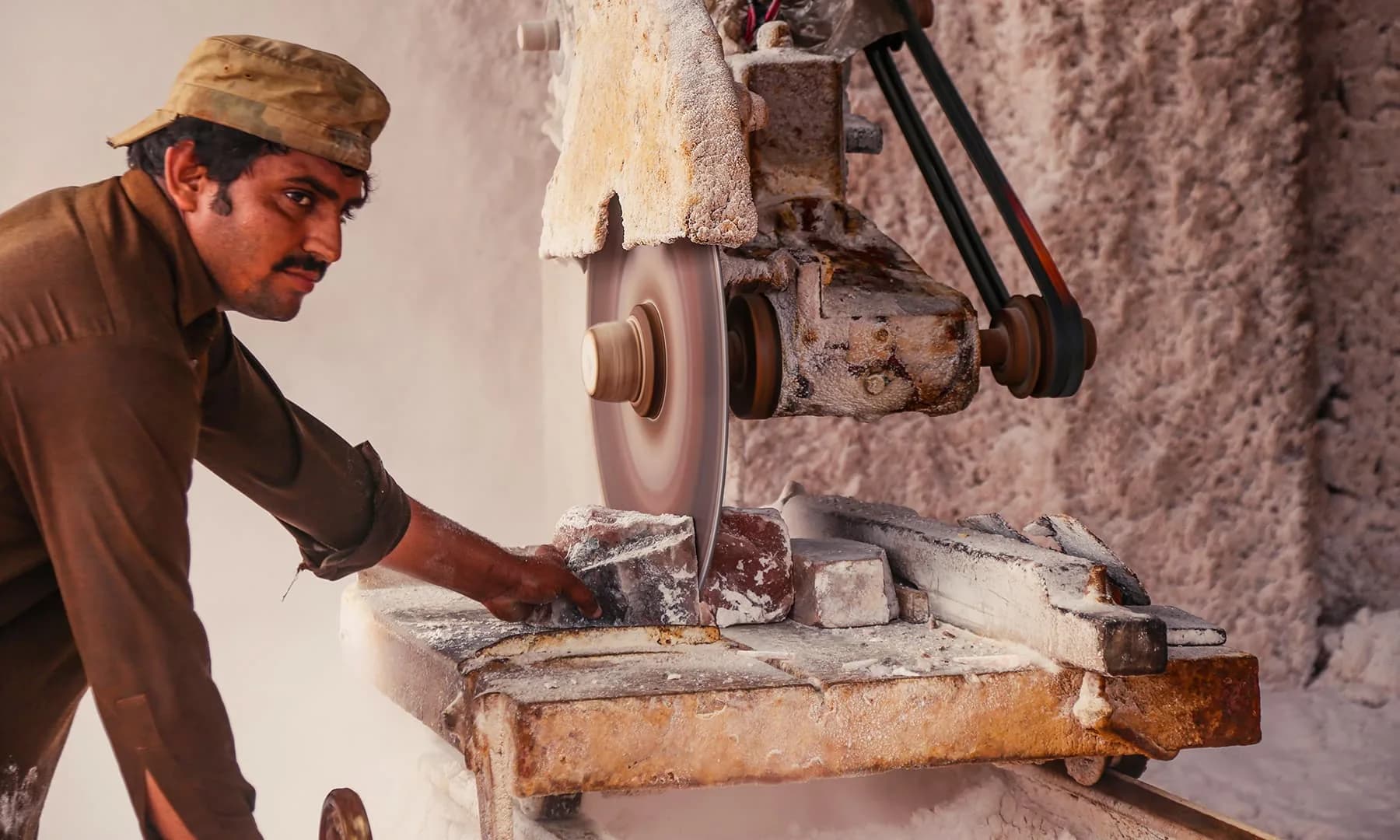
Active zones use explosives and cutting tools to break salt. Trucks haul crushed salt to screening plants on site. Tourist tunnels sit in exhausted sections far from blasting.
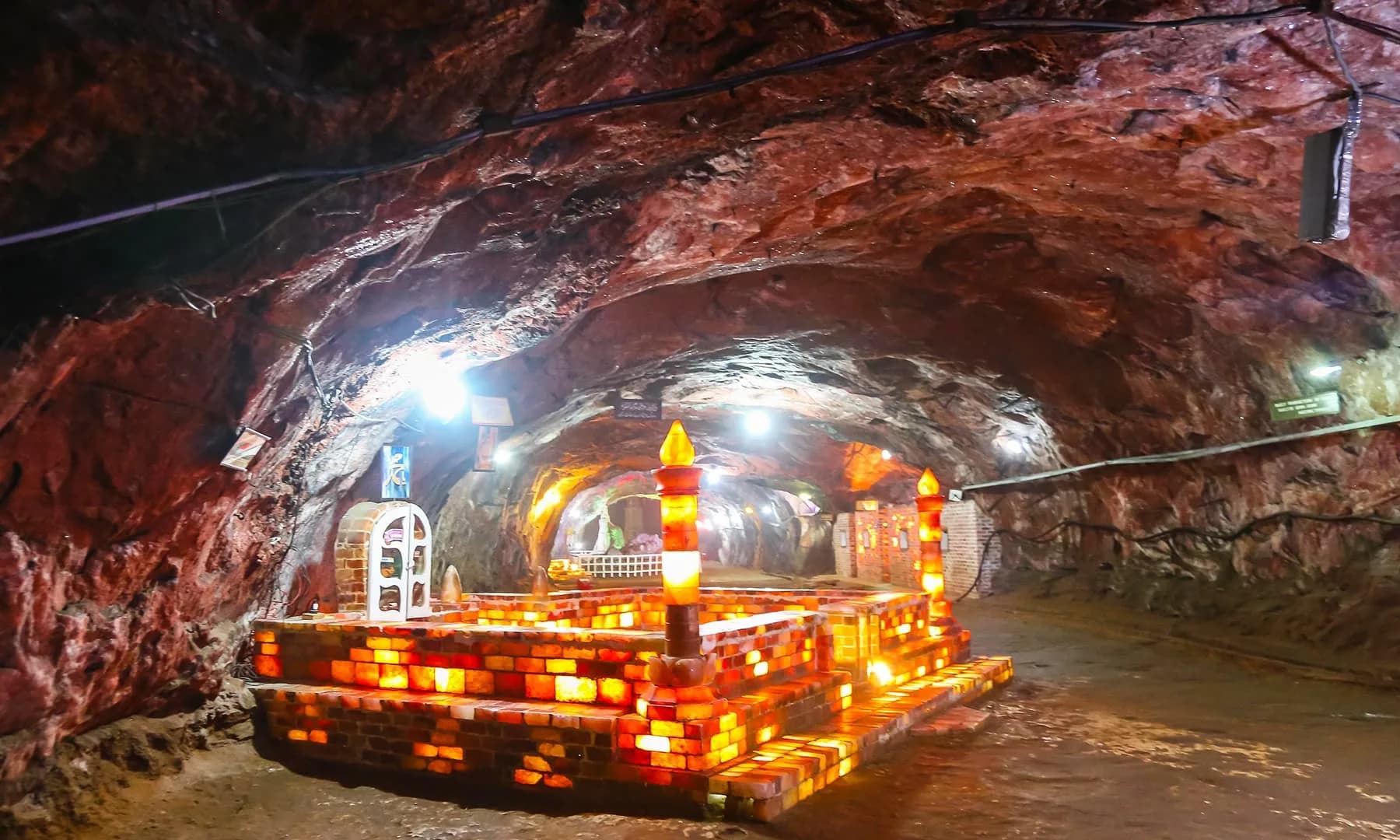
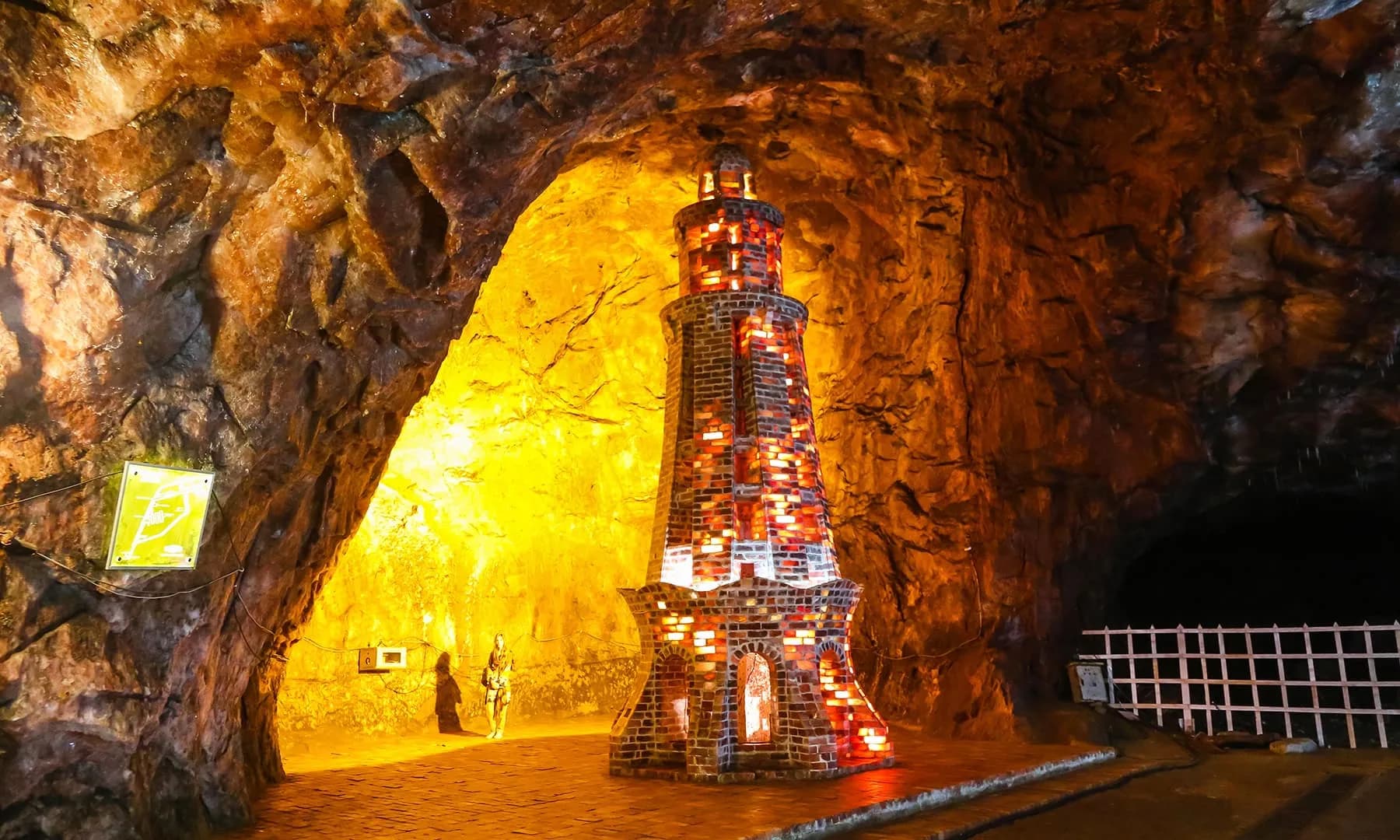
Seventeen levels extend down to roughly 730 metres. Only upper levels host the public tour. For what visitors see underground, read our inside the mine guide.
Ecosystem of the Salt Range
The surface ecosystem is dry hills with scrub vegetation, thorn bushes, and seasonal wildflowers after rain. Wildlife includes jackals, foxes, and bird species adapted to arid conditions.
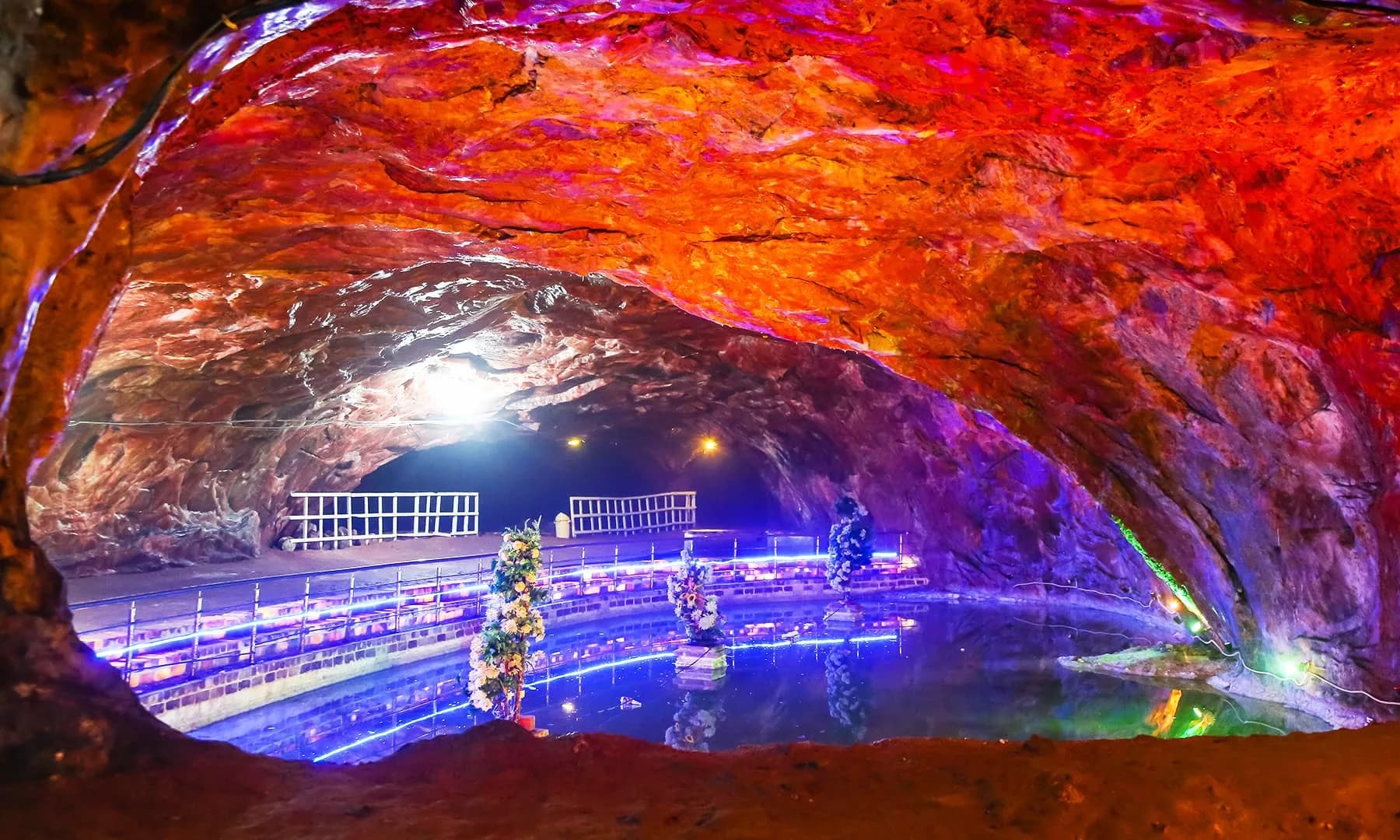
Underground brine pools support halophile bacteria that thrive in extreme salinity. These microbes are studied for biotechnology but are not part of the tourist display.
Mining disturbs a limited surface area compared to total Salt Range habitat. PMDC reports follow government environmental regulations for waste disposal and land restoration.
Water and land impacts
Brine from mining operations is highly saline. PMDC manages discharge according to environmental compliance reports filed with provincial authorities.
Surface subsidence is rare in room-and-pillar mining because salt pillars hold the roof. Collapse risk is higher in abandoned sections without maintenance, which is why tourists stay in monitored tunnels.
Salt dust on haul roads affects nearby vegetation. PMDC waters some access roads during dry months to reduce dust near the village.
Economic impact
Khewra supports direct employment for miners, engineers, processing staff, tour guides, and transport workers. Indirect jobs span hotels, restaurants, and souvenir vendors in Khewra and Chakwal.
Production tonnage varies by year and source. PMDC and industry publications are the authoritative place for current output figures; we do not quote a fixed annual total here.
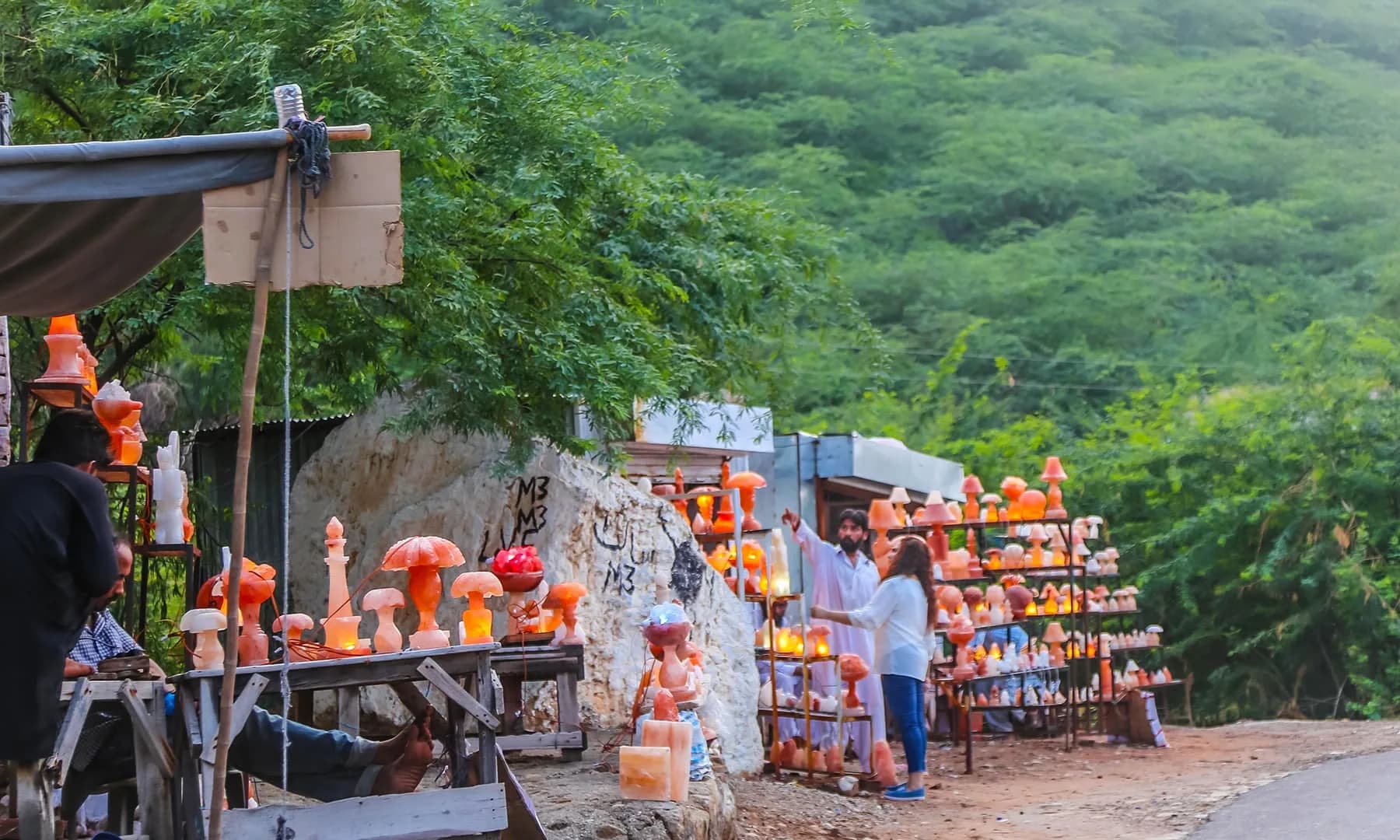
Tourism adds a second income stream. The visitor section opened in the 1980s and remains a major domestic attraction. See products and salt types for what leaves the mine after processing.
PMDC publishes periodic environmental compliance reports. Tourist zones are inspected separately from active blasting areas for structural safety.
Room-and-pillar design leaves salt columns that bear the roof load. This limits surface subsidence compared to total-extraction methods used in some other mines worldwide.
Wildlife on the surface adapts to low rainfall and thin soil. Mining roads cut through scrub habitat but the wider Salt Range remains largely undeveloped outside town corridors.
Brine discharge management is the main water concern cited in PMDC environmental filings. Surface streams near the mine carry high salinity after heavy rain.
Sources
More in History
Related guides
Frequently asked questions
How is salt mined at Khewra?
Does mining harm the environment?
How deep does mining go?
What lives in the Salt Range?
How many people work at Khewra?
When did tourism start at the mine?
Planning a visit?
Practical visitor information for Khewra Salt Mine in Punjab, Pakistan.
Plan your visit